
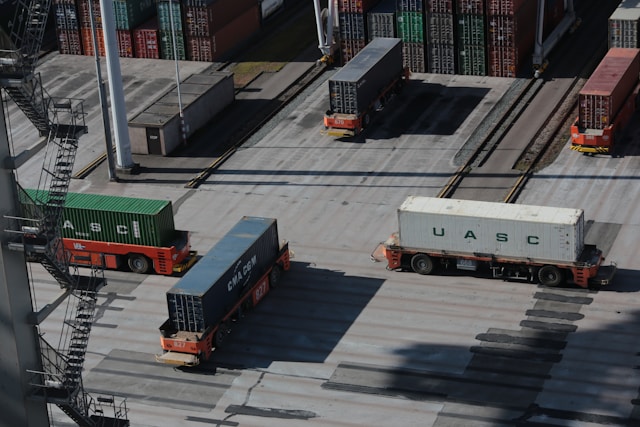
In a global economy where goods travel thousands of miles before reaching their final destination, logistics has become a critical part of business success. Whether a company is shipping raw materials, finished products, or specialized equipment, moving items efficiently and reliably is key to satisfying customers and protecting profit margins. That’s where logistics expertise and strategic partnerships come into play.
At the heart of this system are professionals who understand the complexities of international and domestic transport. These logistics partners help businesses navigate customs requirements, carrier selection, route optimization, and risk management. One of the essential support roles in this ecosystem is played by experienced freight forwarders, who help simplify shipping operations for companies of all sizes.
What Do Freight Forwarders Do?
Freight forwarders act as coordinators for the movement of goods. Instead of simply transferring items from Point A to Point B, they offer a range of services that cover the entire supply chain lifecycle.
Their responsibilities may include:
- Arranging transportation across multiple carriers
- Handling customs documentation and compliance
- Coordinating warehouse storage and consolidation
- Tracking shipments in real time
- Advising on packaging and insurance
By acting as a single point of contact, freight forwarders reduce the burden on businesses and improve predictability in delivery timelines.
Why Logistics Matters for Businesses in the UK
For companies operating in the United Kingdom, logistics plays a central role in connecting domestic markets with international partners. Whether importing components or exporting finished goods, companies must plan shipments carefully to avoid delays, reduce costs, and maintain competitive pricing.
Understanding delivery networks, seasonal traffic patterns, and customs requirements is essential. Strong logistics planning helps businesses stay agile and respond to market changes.
Challenges in Modern Shipping
Today’s shipping environment presents many challenges, including:
- Congestion at ports and borders
- Fluctuating carrier availability
- Regulatory changes
- Rising fuel costs
- Supply chain disruptions
These challenges make it more important than ever for businesses to rely on experienced logistics partners who can identify efficient routes, anticipate risks, and adapt plans rapidly.
Benefits of Working With Dedicated Logistics Professionals
Partnering with experienced logistics teams offers several advantages:
- Efficiency – Optimized routing and carrier choices reduce transit time and cost.
- Expertise – Knowledge of customs and regulatory requirements keeps shipments compliant.
- Visibility – Real-time tracking helps companies monitor goods in transit and plan responses.
- Support – Dedicated coordination reduces administrative workload for in-house teams.
These benefits help businesses focus on growth and customer service rather than day-to-day shipping concerns.
The UK Delivery Network
The United Kingdom is well-connected with major seaports, airports, railways, and road networks that support both domestic and international distribution. Leveraging these connections allows businesses to expand their reach, respond quickly to orders, and maintain a high level of service regardless of destination.
Improving Supply Chain Resilience
Supply chain resilience refers to a company’s ability to continue operating smoothly even when faced with disruptions. Strong logistics partners contribute to this resilience by offering:
- Alternative routing options
- Contingency planning
- Proactive communication during delays
- Expertise in navigating changing regulations
This kind of support is especially valuable during peak seasons or unexpected global events.
Final Thoughts: Logistics as a Strategic Advantage
Logistics is more than just moving goods—it’s a strategic function that affects customer satisfaction, operational cost, and brand reputation. By working with capable logistics professionals and taking advantage of comprehensive delivery networks, businesses can position themselves for steady growth in an increasingly interconnected world.
In today’s fast-paced market, efficient transport and logistics planning is not just an operational necessity—it’s a key competitive advantage.
Leave a Reply