
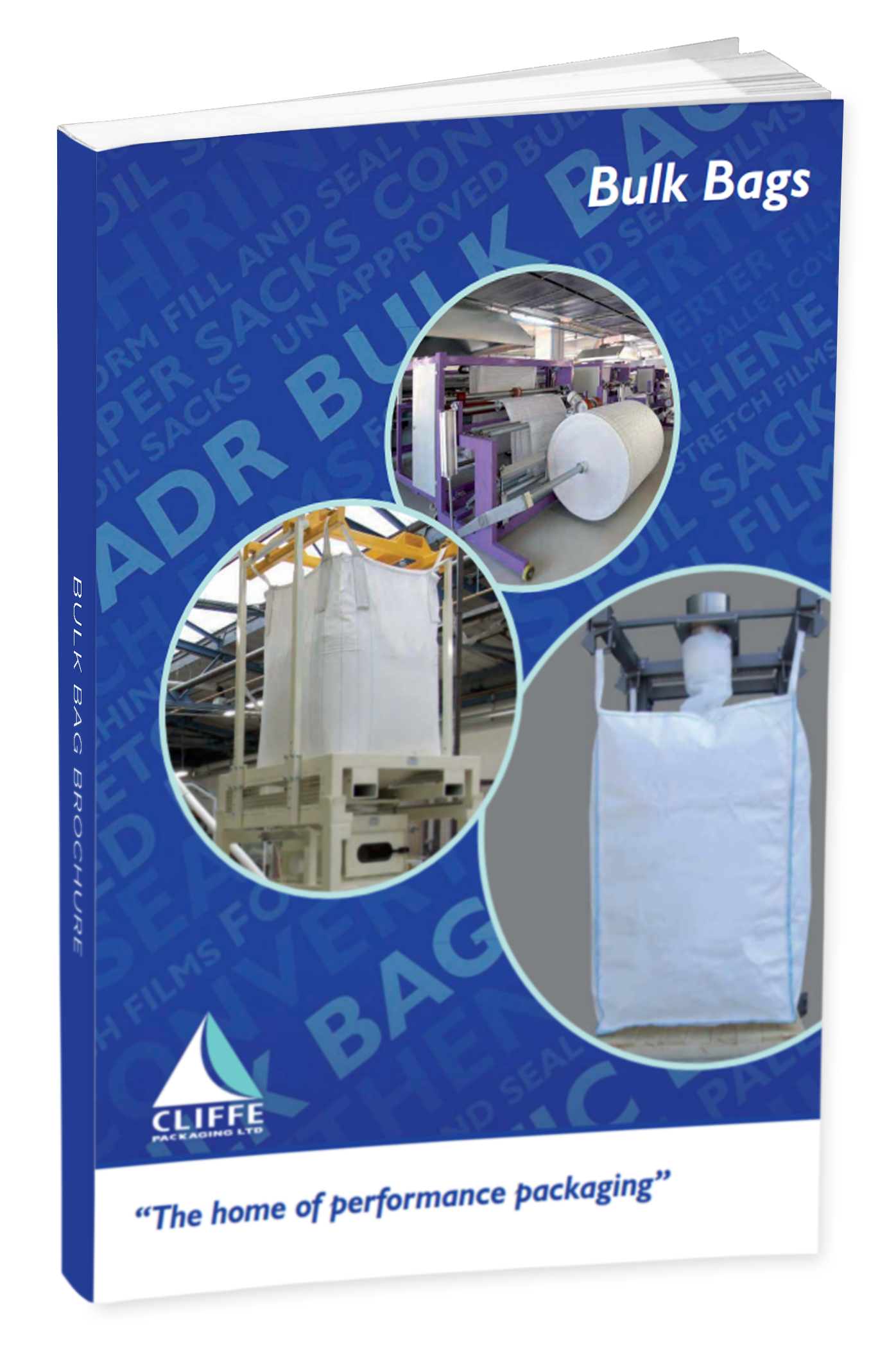
Across manufacturing, construction, agriculture, and logistics, efficient packaging plays a vital role in protecting materials and maintaining operational flow. One packaging solution that continues to gain popularity across multiple industries is the bulk bag. Designed to handle large volumes of dry goods safely and efficiently, bulk bags offer a practical balance of durability, flexibility, and cost-effectiveness.
This article explores what bulk bags are, how they are used, and why they have become an essential packaging solution for modern businesses.
What Is a Bulk Bag?
A bulk bag, also known as a flexible intermediate bulk container (FIBC), is a large, woven bag designed to transport and store dry, flowable products. These bags are typically made from strong polypropylene fabric and can hold anywhere from 500kg to over 2,000kg, depending on design and specification.
Bulk bags are commonly used to handle materials such as sand, aggregates, grains, powders, chemicals, and animal feed. Their strength and versatility make them suitable for both storage and transportation.
Key Advantages of Bulk Bags
One of the primary reasons bulk bags are so widely used is their efficiency. Compared to traditional sacks or rigid containers, they allow businesses to move larger quantities of material with fewer handling steps.
Major benefits include:
- High load capacity
- Reduced packaging waste
- Space-efficient storage
- Easy handling with forklifts or cranes
These advantages help businesses improve productivity while lowering packaging and transportation costs.
Versatility Across Industries
Bulk bags are used in a wide range of sectors. In construction, they are ideal for transporting sand, cement, and gravel. In agriculture, they support the storage and movement of grains, seeds, and fertilizers. In manufacturing, bulk bags are commonly used for powders, resins, and raw materials.
Their adaptability allows companies to customize features such as liners, spouts, and lifting loops to match specific product requirements.
Safety and Compliance Considerations
Safety is a critical factor when handling large quantities of material. Bulk bags are engineered to meet strict safety standards, including safe working load (SWL) and safety factor requirements.
Proper usage, storage, and inspection are essential to ensure safe handling. When sourced from reputable manufacturers, bulk bags are designed to maintain stability and reduce the risk of spills or accidents during transport.
Environmental and Cost Benefits
Bulk bags are often reusable and recyclable, making them an environmentally responsible packaging option. Their lightweight design reduces transportation fuel usage, while reusability minimizes waste compared to single-use packaging solutions.
From a cost perspective, businesses benefit from reduced packaging expenses and improved logistics efficiency, making bulk bags a sustainable and economical choice.
Customization for Specific Needs
Every product has unique packaging requirements. Bulk bags can be tailored in size, fabric type, and design to suit specific materials and handling conditions.
Features such as discharge spouts, filling skirts, coated fabrics, and internal liners allow businesses to maintain product quality while optimizing handling processes.
Choosing the Right Supplier
Selecting a reliable supplier is essential to ensure product quality, compliance, and consistency. Experienced packaging providers offer guidance on choosing the correct bulk bag design based on material type, weight, and handling method.
Resources like https://www.cliffepackaging.com/bulk-bags/ help businesses explore different bulk bag options and select solutions that align with operational and safety requirements.
The Role of Bulk Bags in Modern Supply Chains
As supply chains become more complex, efficient packaging solutions are increasingly important. Bulk bags support streamlined logistics by reducing handling time, maximizing load efficiency, and improving storage utilization.
Their flexibility allows businesses to adapt quickly to changing demands while maintaining control over costs and safety standards.
Final Thoughts
Bulk bags are a reliable, versatile, and cost-effective packaging solution for industries that handle large volumes of dry materials. Their strength, adaptability, and environmental benefits make them an essential component of modern industrial operations.
By choosing the right bulk bag design and supplier, businesses can improve efficiency, enhance safety, and support sustainable packaging practices in an increasingly competitive marketplace.
Leave a Reply