
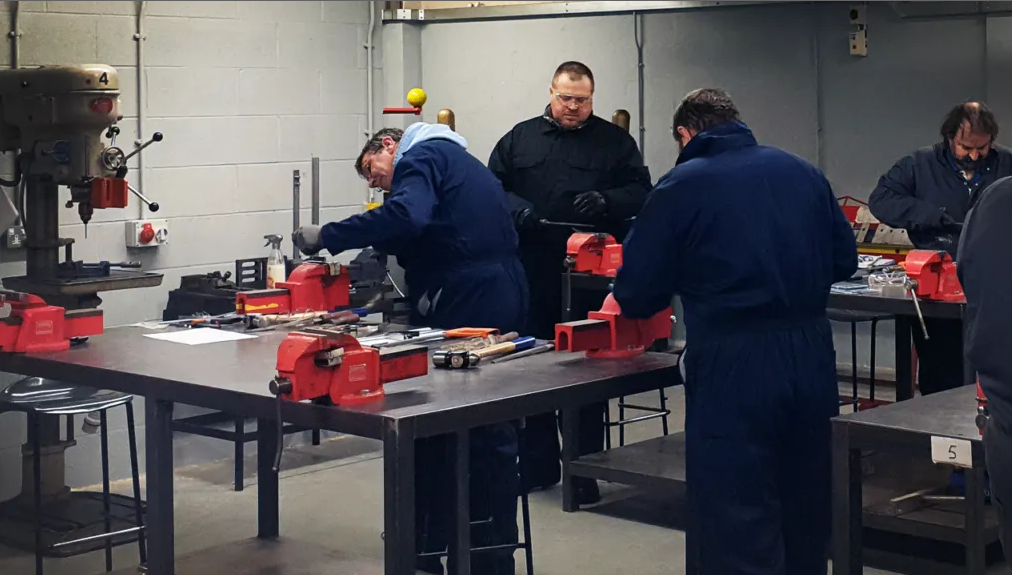
Engineering is at the heart of modern society, driving innovation across industries such as manufacturing, construction, energy, and technology. As these sectors evolve, the demand for highly skilled engineers continues to grow. An engineering academy plays a crucial role in preparing individuals and organizations to meet this demand by delivering structured, practical, and industry-aligned training.
This article explores the importance of engineering academies, how they support workforce development, and why structured engineering training is essential for long-term career and business success.
The Growing Skills Gap in Engineering
Across many industries, employers face a significant challenge: finding engineers with the right blend of technical knowledge and hands-on experience. While academic qualifications are valuable, they do not always prepare individuals for real-world engineering environments.
An engineering academy bridges this gap by focusing on applied learning. Trainees gain practical skills that align directly with industry standards, making them more effective and job-ready from day one.
What an Engineering Academy Offers
An engineering academy provides more than just theoretical instruction. It delivers comprehensive training designed around real operational needs.
Key elements typically include:
- Hands-on technical training
- Safety and compliance education
- Industry-recognized certifications
- Skills assessment and progression pathways
This approach ensures learners understand not only how systems work, but also how to apply that knowledge in professional settings.
Benefits for Individuals
For individuals, enrolling in an engineering academy can significantly accelerate career development. Practical training builds confidence and competence, helping learners stand out in competitive job markets.
Benefits include:
- Improved employability
- Up-to-date technical skills
- Clear career progression routes
- Greater understanding of workplace expectations
Whether entering the field or advancing an existing career, structured training provides a strong foundation for long-term success.
Advantages for Businesses and Employers
Engineering academies are equally valuable for organizations looking to upskill their workforce. Consistent training improves operational efficiency, safety, and performance across teams.
Employers benefit from:
- Reduced skill gaps
- Increased productivity
- Improved safety compliance
- Stronger employee retention
By investing in professional development, companies future-proof their operations while fostering a culture of continuous learning.
Industry-Relevant and Standards-Based Training
One of the defining strengths of an engineering academy is its alignment with industry standards. Training programs are designed to reflect current regulations, technologies, and best practices.
This ensures that learners are not just trained for today’s requirements but are also prepared for future advancements. As industries change, engineering academies adapt their curricula to stay relevant and effective.
Supporting Innovation and Growth
Well-trained engineers are essential for innovation. They bring problem-solving skills, technical expertise, and efficiency to complex challenges. Engineering academies nurture these capabilities by encouraging critical thinking and practical experimentation.
As a result, businesses gain access to professionals who can contribute to process improvements, technological upgrades, and long-term growth strategies.
Accessible and Structured Learning Pathways
Modern engineering academies often offer flexible learning options to accommodate working professionals. Blended learning, modular courses, and structured pathways make it easier for individuals and organizations to participate without disrupting daily operations.
Resources such as https://www.qualitrain.co.uk/qualitrain-engineering-academy provide structured training environments designed to support both learners and employers in achieving measurable outcomes.
The Long-Term Impact of Engineering Training
The impact of a strong engineering academy extends beyond individual careers. It strengthens entire industries by raising skill levels, improving safety, and encouraging innovation.
Long-term benefits include:
- A more capable and adaptable workforce
- Improved operational standards
- Stronger industry reputation
- Sustainable business growth
These outcomes make engineering academies a strategic investment rather than a short-term expense.
Final Thoughts
An engineering academy is more than a training provider; it is a catalyst for professional and organizational development. By delivering practical, industry-aligned education, it equips individuals with the skills they need to succeed and helps businesses remain competitive in a rapidly changing world.
As engineering continues to shape the future, investing in structured training ensures that talent, innovation, and excellence move forward together.
Leave a Reply