
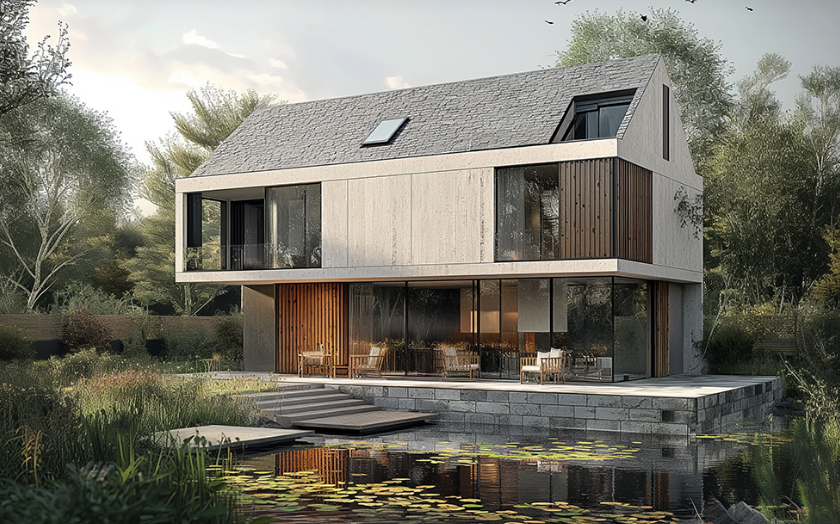
As climate awareness grows and energy costs continue to rise, the way we design and build homes is undergoing a fundamental shift. Today, architecture is no longer just about aesthetics or structure—it’s about responsibility. Sustainable architecture design focuses on reducing environmental impact while creating comfortable, healthy, and efficient living spaces that stand the test of time.
Rather than relying heavily on mechanical systems, sustainable buildings work with nature instead of against it. From orientation and materials to airflow and insulation, every design decision contributes to long-term efficiency. The result is architecture that benefits homeowners, communities, and the planet alike.
What Is Sustainable Architecture Design?
Sustainable architecture design is an approach that minimizes energy use, carbon emissions, and waste throughout a building’s entire life cycle. This includes construction, daily operation, maintenance, and eventual adaptation or reuse.
Unlike traditional construction methods that often prioritize speed or cost alone, sustainable architecture takes a holistic view. It considers how a building interacts with its environment, how resources are consumed, and how occupants experience the space over time.
By incorporating environmentally responsible design principles, sustainable architecture ensures buildings are resilient, adaptable, and efficient long after construction is complete.
Reducing Energy Consumption from the Ground Up
Energy efficiency is at the heart of sustainable architecture design. One of the most effective ways to reduce energy use is through passive design strategies that harness natural resources like sunlight, wind, and shade.
Instead of relying heavily on artificial heating or cooling systems, passive design allows buildings to regulate temperature naturally. This approach significantly reduces energy demand while improving comfort throughout the year.
Key goals include:
- Lower heating and cooling requirements
- Reduced reliance on fossil fuels
- Stable indoor temperatures across seasons
When energy efficiency is built into the structure itself, long-term savings become a natural outcome.
The Role of Passive Design Principles
Passive design is a cornerstone of sustainable architecture design. It involves thoughtful planning and positioning of a building to work in harmony with its surroundings.
Homes are oriented to maximize solar gain in winter while minimizing overheating in summer. Window placement, shading devices, and ventilation paths are carefully planned to manage heat and airflow naturally.
By applying passive solar design strategies, buildings can maintain comfortable indoor environments without constant mechanical intervention.
Aligning with Recognized Sustainability Standards
Many sustainable buildings align with established frameworks such as Passivhaus (Passive House), EnerPHit, and AECB standards. These principles set rigorous benchmarks for energy efficiency, airtightness, and thermal performance.
Sustainable architecture design adapts these standards to the site’s specific climate, orientation, and usage requirements. Rather than applying a one-size-fits-all solution, designers tailor strategies to local conditions.
This approach ensures buildings perform efficiently regardless of location, while maintaining flexibility in design and aesthetics.
Designing the Building Envelope for Performance
The building envelope—comprising walls, roofs, floors, windows, and doors—plays a critical role in sustainable performance. In sustainable architecture design, the envelope acts as a protective barrier that controls heat transfer, airflow, and moisture.
High-quality insulation, airtight construction, and carefully selected glazing help regulate indoor temperatures. This reduces heat loss in winter and heat gain in summer, resulting in consistent comfort year-round.
A well-designed envelope also improves thermal efficiency and reduces energy bills without compromising natural light or visual appeal.
Harnessing Sun, Wind, and Shade
Nature offers powerful tools for comfort when used correctly. Sustainable architecture design prioritizes the intelligent use of sunlight, prevailing winds, and natural shading to enhance indoor environments.
South-facing windows capture warmth during colder months, while overhangs and external shading prevent overheating in summer. Cross-ventilation allows fresh air to flow through spaces, reducing the need for air conditioning.
By embracing climate-responsive architecture, buildings become more resilient and adaptable to changing weather patterns.
Year-Round Thermal Comfort Without Excess Energy
One of the greatest advantages of sustainable architecture design is its ability to deliver consistent thermal comfort throughout the year. Rather than fluctuating temperatures and reliance on heating or cooling systems, sustainable homes maintain balance naturally.
This stability improves not only comfort but also health. Even temperatures, fresh air circulation, and controlled humidity contribute to better indoor air quality and overall well-being.
Occupants experience fewer drafts, quieter interiors, and a more pleasant living environment—without excessive energy use.
Reducing Carbon Footprint and Waste
Beyond operational energy savings, sustainable architecture design also addresses carbon emissions and material waste. Careful selection of materials reduces embodied carbon, while efficient construction methods minimize waste during building.
Designing for longevity and adaptability ensures buildings remain useful over decades rather than requiring frequent renovation or demolition. This life-cycle approach significantly lowers environmental impact.
By focusing on low-carbon building strategies, sustainable architecture contributes meaningfully to global climate goals.
Sustainability Without Sacrificing Design Quality
A common misconception is that sustainable buildings must look plain or restrictive. In reality, sustainable architecture design offers immense creative freedom.
Architects can explore innovative forms, materials, and spatial experiences while maintaining environmental responsibility. Thoughtful design enhances natural light, connection to outdoor spaces, and overall functionality.
Sustainability becomes an integral part of the aesthetic, not a limitation.
Choosing the Right Sustainable Design Partner
Successful sustainable projects depend on expertise, experience, and a deep understanding of environmental principles. A skilled design studio can translate sustainability goals into practical, elegant solutions.
Professionals specializing in https://www.risedesignstudio.co.uk/sustainable-architecture-design understand how to combine passive design, performance standards, and site-specific strategies into cohesive architectural solutions.
Working with the right team ensures sustainability is embedded from concept to completion.
The Future of Architecture Is Sustainable
As environmental challenges intensify, the demand for sustainable architecture design will continue to grow. Homeowners, developers, and communities increasingly recognize the long-term value of energy-efficient, low-impact buildings.
Sustainable architecture is not a trend—it is the future of responsible design. By prioritizing passive strategies, thoughtful materials, and performance-driven planning, architects are shaping buildings that support both people and the planet.
Final Thoughts: Building Smarter for Tomorrow
Sustainable architecture design represents a smarter, more thoughtful approach to how we build and live. By reducing energy consumption, minimizing carbon output, and embracing passive design principles, sustainable buildings offer comfort, resilience, and long-term value.
From harnessing sunlight and wind to designing high-performance envelopes, every decision contributes to a healthier future. When architecture respects its environment, the benefits extend far beyond the walls of the building itself.
Leave a Reply