Dust may seem harmless at first glance, but in industrial and commercial environments, it can quickly become a serious problem. From construction sites and manufacturing plants to warehouses and processing facilities, airborne dust poses risks to health, equipment, and overall productivity. This is why dust control systems have become a critical investment for businesses that prioritize safety, efficiency, and regulatory compliance.
Ignoring dust issues doesn’t just affect cleanliness—it can lead to long-term health conditions, damaged machinery, and costly downtime. As industries continue to grow and regulations become stricter, effective dust management is no longer optional; it’s essential.
What Are Dust Control Systems?
Dust control systems are designed to capture, suppress, or remove airborne particles generated during industrial processes. These systems prevent dust from spreading throughout a facility, protecting workers and maintaining a clean operational environment.
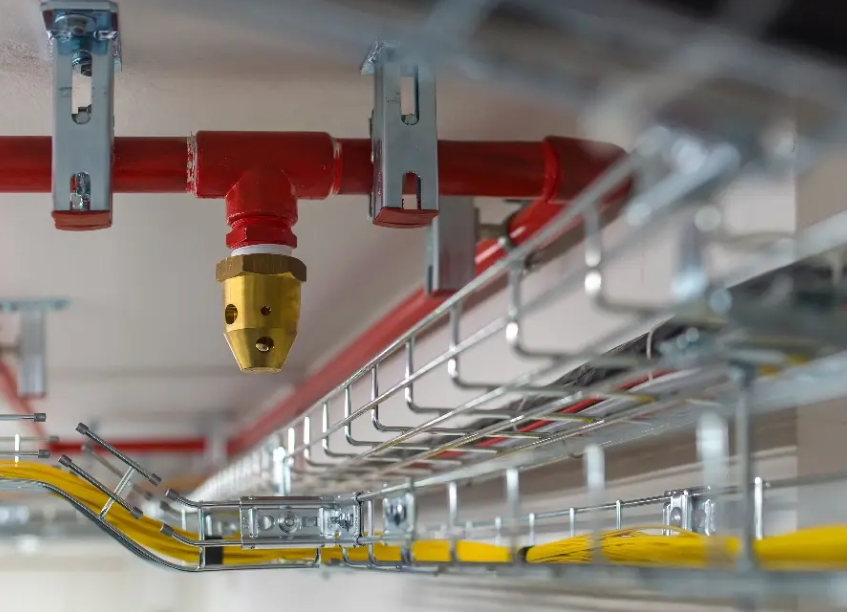
They can take many forms, including extraction units, filtration systems, misting solutions, and localized capture devices. Each solution is tailored to the type of dust produced and the nature of the work being performed.
By using industrial dust management solutions, businesses can significantly reduce airborne contaminants and improve workplace conditions.
The Hidden Dangers of Airborne Dust
Airborne dust is more than just an inconvenience—it’s a serious health hazard. Prolonged exposure can lead to respiratory issues, skin irritation, and chronic illnesses such as asthma or silicosis. In some industries, combustible dust can even pose explosion risks.
Fine particles are especially dangerous because they remain suspended in the air for long periods. Workers may inhale these particles without realizing it, leading to long-term health consequences.
Implementing dust control systems helps mitigate these risks by actively capturing dust at the source before it spreads.
Improving Workplace Safety and Compliance
Health and safety regulations require employers to maintain safe working conditions. Failure to control dust levels can result in penalties, inspections, and even temporary shutdowns.
Effective dust control systems help businesses comply with occupational safety standards by:
- Reducing airborne contaminants
- Protecting employees’ respiratory health
- Minimizing fire and explosion risks
- Maintaining clear visibility in work areas
Compliance isn’t just about avoiding fines—it’s about creating a safer environment where employees feel protected and valued.
Enhancing Productivity and Equipment Longevity
Dust doesn’t only affect people; it also damages machinery and equipment. Accumulated dust can clog ventilation systems, interfere with moving parts, and reduce the lifespan of sensitive components.
By installing dust control systems, companies protect their investments and reduce maintenance costs. Clean equipment operates more efficiently, breaks down less often, and delivers consistent performance.
This leads to fewer interruptions, reduced downtime, and improved productivity—key factors in maintaining a competitive edge.
Tailored Solutions for Different Industries
No two workplaces generate dust in the same way. That’s why modern dust control systems are designed to be adaptable and customizable.
Industries that benefit from dust control include:
- Manufacturing and fabrication
- Construction and demolition
- Chemical processing
- Warehousing and logistics
- Food and pharmaceutical production
Each environment requires custom dust extraction solutions that address specific materials, particle sizes, and operational workflows.
Environmental Benefits of Dust Control
Dust doesn’t stay confined to indoor spaces. Without proper control, it can escape into surrounding environments, contributing to air pollution and environmental damage.
Implementing dust control systems helps businesses reduce their environmental footprint by preventing dust emissions and supporting cleaner air standards. This not only benefits local communities but also strengthens a company’s reputation as a responsible operator.
Sustainable practices are increasingly important to customers, partners, and regulators alike.
Choosing the Right Dust Control Partner
Selecting the right supplier is just as important as choosing the right system. Experience, technical expertise, and quality materials all play a role in effective dust management.
A reliable provider will:
- Assess your specific dust challenges
- Recommend tailored solutions
- Ensure proper installation
- Offer ongoing support and maintenance
Companies like https://www.best-chem.co.uk/ specialize in delivering dependable dust control systems that meet industry demands while prioritizing safety and efficiency.
Long-Term Cost Savings and Return on Investment
While installing dust control equipment requires upfront investment, the long-term savings are significant. Reduced health claims, fewer equipment failures, and lower cleaning and maintenance costs quickly offset initial expenses.
Businesses that implement dust control systems often experience:
- Lower absenteeism
- Improved worker morale
- Reduced insurance costs
- Increased operational efficiency
When viewed over time, dust control is not a cost—it’s a strategic investment.
The Role of Technology in Modern Dust Control
Advancements in technology have transformed how dust is managed. Modern dust control systems now incorporate automation, real-time monitoring, and high-efficiency filtration.
These innovations allow businesses to:
- Detect dust levels instantly
- Adjust systems automatically
- Maintain consistent performance
- Collect data for compliance reporting
As industries move toward smarter operations, dust control technology continues to evolve alongside them.
Final Thoughts: Clean Air Is a Business Priority
Clean air is essential for healthy workers, reliable equipment, and efficient operations. Dust control systems play a vital role in maintaining safe, compliant, and productive workplaces across a wide range of industries.
By addressing dust at its source and investing in professional solutions, businesses protect their people, their assets, and their future. In an era where safety and sustainability matter more than ever, effective dust control is not just best practice—it’s a necessity.
Leave a Reply