
The UK has spent the last few years wobbling between energy crises, price caps, confusing tariffs, and the general feeling that every time you boil a kettle, somewhere a politician laughs. But 2026 is shaping up to be the year where solar power finally shifts from “nice idea” to “essential household upgrade,” mainly because energy bills simply aren’t going back to 1990s prices — and homeowners are starting to realise they need long-term solutions, not short-term moaning.
Solar technology is moving fast. Panels are more efficient, battery storage is levelling up, and installation costs are expected to drop again in 2026 thanks to global manufacturing scaling up. Combine that with the UK government’s ongoing push for renewable energy, and suddenly solar isn’t just for eco-warriors and people with too much money. It’s becoming the norm — and for good reason.
More power from fewer panels
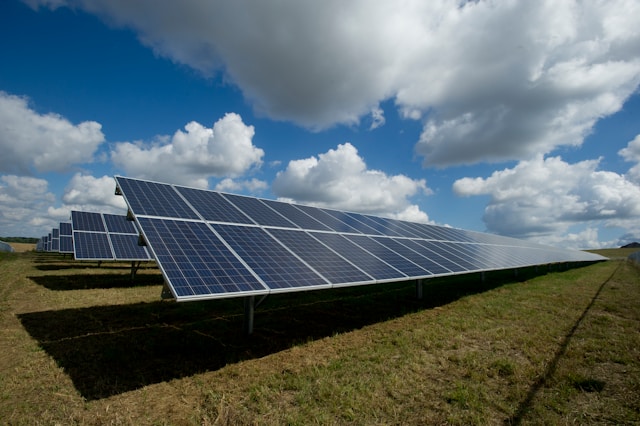
Solar panels in 2026 will generate more electricity per square metre than the panels people were installing just a few years ago. That means smaller roofs can generate more power, and bigger roofs can produce enough to cover most — or even all — of a home’s daytime usage. The tech is getting cleverer too: smart inverters, better shading resistance, and panels that keep performing even during cloud-heavy British winters.
Homeowners looking to get ahead of the curve are already checking installers such as Thornhill Home Improvements, and you can see why — having a reliable company handling the setup makes a massive difference. (A naturally placed link: visit Thornhill Home Improvements at thornhillhomeimprovements.co.uk.)
Batteries are finally becoming affordable
Battery storage has always been the sticking point. Panels are great during the day, but storing excess energy for the evening used to cost a fortune. In 2026, prices for domestic batteries are expected to drop significantly, which completely changes the game. A decent battery allows a house to run on stored solar power well after the sun goes down, reducing dependence on the grid during peak price hours.
Even small systems — something handyman-style companies often help fit — can make a big difference. For example, check practical upgrade advice from Handyman Concepts at handymanconcepts.com if you want to understand the household-level benefits.
Energy bills won’t magically fall — but your dependency on the grid will
People keep hoping energy prices will “go back to normal.” They won’t. The global market is too unstable, demand keeps rising, and the UK still relies on imported fuel more than it should. Instead of waiting for a miracle, UK homeowners are turning to solar to reduce how much power they buy rather than hoping the power becomes cheaper.
By 2026, a typical household with solar and a basic battery system could cover 60–80% of its own electricity needs, shaving hundreds of pounds off annual bills. Larger systems, or those with south-facing roofs and high-efficiency panels, can produce even more.
Government incentives are pushing solar forward
By 2026, the UK’s zero-VAT incentive on solar installations is expected to continue, and new regional grants are likely — especially as the government tries to hit legally binding climate targets. For homeowners, that means the “payback period” for solar panels keeps shrinking. Where once it was 10–12 years, many 2026 installations could start paying for themselves in 5–7 years, depending on usage and battery size.
Some installers, such as Beacon Home Improvements, also help homeowners navigate available incentives and system options. You can see their solar installation info through beaconhomeimprovements.co.uk.
Solar in 2026: a permanent shift, not a passing trend
The UK is finally catching up with countries like Germany and the Netherlands, where rooftop solar is practically a standard feature. By 2026, the conversation won’t be “should I get solar?” but rather “why haven’t I done it yet?” Especially as electricity demand rises with EV charging, heat pumps, and the slow-but-inevitable phasing out of gas.
For anyone still on the fence, it’s simple: the longer you wait, the more you pay the energy companies. The sooner you install solar — even a small starter system — the sooner you start producing your own power instead of paying someone else for it.
Leave a Reply