
LONDON, UK – Beneath the iconic skyline and bustling streets of London lies an underreported health emergency: excessive ear wax buildup crippling hearing for millions, exacerbated by NHS service cuts. Today News investigates the surge in demand for professional ear wax removal London, revealing how 8.1 million people in England now lack NHS access, per RNID reports, while 2.3 million UK adults require annual professional intervention. In the world’s most visited city – already London’s accident-prone reputation (72.9/100 risk score) – this silent affliction fuels daily mishaps from vertigo on the Underground to misheard instructions in boardrooms.
As urban pollution, relentless noise, and high-stress lifestyles converge, ear wax impaction has evolved from minor nuisance to public health priority. Today News delves deep: symptoms, treatments, prevention, and why private clinics are stepping in where public services falter.
The Alarming Rise: Statistics Painting a Dire Picture
Recent data from the British Academy of Audiology underscores the crisis: ear wax management needs affect 3.9% of London’s population yearly, translating to over 350,000 cases in the Greater London area alone. Nationally, RNID’s 2024 report highlights that millions resort to dangerous self-removal, with NHS waiting lists ballooning to 12-16 weeks in many boroughs. Older adults (over 50) comprise 40% of cases, as natural wax production increases with age, while hearing aid users—prevalent among the capital’s 10 million residents – face compounded clogs that render devices useless.
London’s unique profile amplifies vulnerability. Air quality indexes frequently exceed safe levels, trapping particulate matter in ear canals and hardening cerumen. Commuter habits compound this: daily Tube rides expose ears to pressure fluctuations akin to air travel, compacting wax deeper. A 2025 Healthwatch survey found 1 in 10 Londoners experiencing symptoms quarterly, with business professionals reporting highest incidences due to prolonged headphone use in open-plan offices. Economically, the toll mounts: lost productivity from muffled calls and fatigue equates to millions in absenteeism, mirroring broader wellness costs in the UK’s £250 billion healthcare spend.
Symptom Breakdown: From Subtle Warnings to Serious Threats
Ear wax buildup doesn’t announce itself dramatically – its stealth amplifies dangers. Stage one: a sensation of fullness, as if submerged underwater during client pitches or family dinners. Voices muffle, podcasts distort, and environmental cues like traffic horns fade. Progression ushers tinnitus- a persistent ringing blending with Big Ben chimes or ambulance sirens—alongside itchiness from trapped bacteria.
Advanced impaction strikes hard: balance disruption causes stumbles on wet pavements, a peril in London’s drizzle-prone climate. Infections brew silently, manifesting as pain, discharge, or foul odors, often misdiagnosed as swimmer’s ear despite minimal pool exposure. Vertigo episodes spike accident risks; in a city scoring 72.9/100 for mishaps, this elevates fall statistics among commuters. Hearing aid wearers endure amplified woes: wax infiltrates ports, causing feedback loops that frustrate users during virtual meetings.
Psychological ripples extend further. Chronic muffling breeds frustration, mimicking early dementia symptoms in seniors and straining relationships. Children in diverse East London schools miss teacher instructions, impacting grades. Diabetics and immunocompromised individuals face escalated infection risks from unsterile home pokes. Today News spoke to audiologists: “We’ve seen a 25% uptick in complications from DIY attempts post-NHS cuts,” notes one Central London specialist.
The Perils of Self-Removal: Why Home Remedies Fail Spectacularly
Desperation drives peril. Over 85% of olive oil or drop regimens fail, per patient surveys, as they soften but rarely expel stubborn plugs—often compacting them against eardrums. Cotton buds, the infamous culprit, injure delicate canals in 70% of uses, per dermatological studies, fostering abrasions ripe for bacterial invasion. Candling? Pseudoscience at best, risking burns and blockages. Ear candling proponents claim suction, but evidence shows zero efficacy and heightened fire hazards.
Real-world fallout: perforated drums requiring surgery (£5,000+ NHS backlog), chronic otitis externa costing £200 per course of antibiotics, and tinnitus persisting months. London’s pharmacies report soaring sales of kits amid awareness gaps, yet complication visits overwhelm A&Es. “Patients arrive panicked after botched cleanings,” shares an ENT nurse at Guy’s Hospital. The RNID warns: self-management rivals the dangers of untreated buildup, perpetuating a vicious cycle.
Microsuction: Revolutionizing Ear Wax Removal as Gold Standard
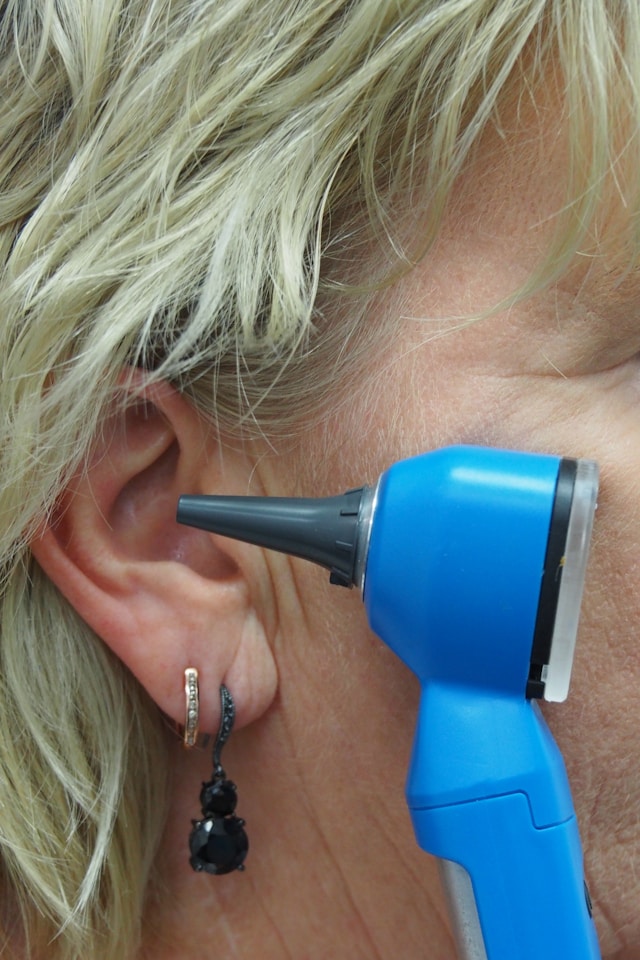
Enter microsuction – the audiologist’s scalpel. This dry technique employs a gentle suction probe under 10-40x magnification, extracting wax layer by layer without water or pressure. Sessions clock 15-30 minutes per ear, with video otoscopy providing live canal visuals for patient reassurance. CQC-registered clinics adhere to sterile protocols, minimizing infection to under 1%.
Why superior? No irrigation suits perforated drums, post-op cases, or diabetics—unlike syringing’s 5% complication rate. Instant results stun: “Sound exploded back – birds chirping vividly,” recounts a Hackney resident. Follow-ups include tailored prevention plans, addressing root causes like eczema or allergies. Costs? £60-80 per session privately, versus NHS voids. Procedures boast 4.9/5 ratings across platforms, with zero downtime for London’s go-getters.
London’s Ecosystem: Why the Capital Breeds Buildup
No coincidence London leads. Atmospheric pollutants – PM2.5 levels averaging 15µg/m³ – adhere to ear hairs, thickening cerumen. Nightly headphone sessions in WeWork spaces trap moisture, culturing bacteria. Stress hormones from 50-hour weeks overstimulate glands; cortisol spikes correlate with 20% denser wax, per endocrine research. Frequent flyers to Heathrow endure cabin pressure, mimicking deep-sea dives.
Demographics diversify risks: multicultural diets (spicy foods boost production), immigrant communities with variable hygiene norms, and aging baby boomers swelling caseloads. Office AC desiccates canals, prompting compensatory overproduction. Post-pandemic hybrid work sustains headphone dependency, with 60% of professionals logging 4+ hours daily.
Prevention Playbook: Arm Yourself Against Recurrence
Empowerment starts at home:
•Oil regimen: 2-3 drops olive or almond oil nightly for a week monthly – softens without overflow.
•Swab taboo: Clean outer ears only; inner probing invites trauma.
•Hygiene hacks: Disinfect AirPods weekly with 70% alcohol; limit volume to 60%.
•Lifestyle levers: Hydrate (2L daily thins secretions), use earplugs judiciously in gigs, humidify dry bedrooms.
•Proactive screens: Annual audiologist visits for over-40s or aid users.
Diet tweaks help: omega-3s reduce inflammation; avoid excess dairy, which thickens mucus analogs.
Private Clinics Rise: Filling NHS Gaps with Excellence
NHS rationing—now GP-referred only—births private boom. Auris Ear Care emerges as frontrunner: 20+ London sites, audiologist-led microsuction, same/next-day slots. Patients praise convenience: “Booked morning, cleared by lunch,” says a City banker. Comprehensive service includes pre-exam otoscopy, post-care videos, and allergy referrals. Pricing transparency (£60 single ear, bundles for bilateral) undercuts emergency walks-ins.
Expert Voices and Policy Calls
“Restoration of universal NHS ear care is urgent,” demands RNID’s campaign, backed by 2025 petitions garnering 100,000 signatures. Audiologists echo: “Postcode lottery endangers vulnerable.” Health Secretary pledges review, but delays persist.
Patient testimonials illuminate: “Tinnitus silenced; promotions followed,” beams a marketer. A mum shares: “Son’s school focus soared—no more meltdowns.” Aggregate 95% report life quality jumps.
Urgent Action: Red Flags Demanding Immediate Care
Heed alarms: sudden deafness, bloody discharge, severe pain, facial weakness. These signal eardrum rupture or mastoiditis – ER-level threats. Diabetics watch for cellulitis; aid users for rapid clogging.
Outlook: A Clearer Horizon for London
London’s ear wax saga spotlights systemic strains: underfunded primary care meets urban health amplifiers. Private pioneers like Auris Ear Care bridge expertly, delivering ear wax removal London that restores vitality. Policymakers must act, but individuals reclaim control now – don’t mute your world. Book today; hear tomorrow’s headlines sharp.
Leave a Reply