
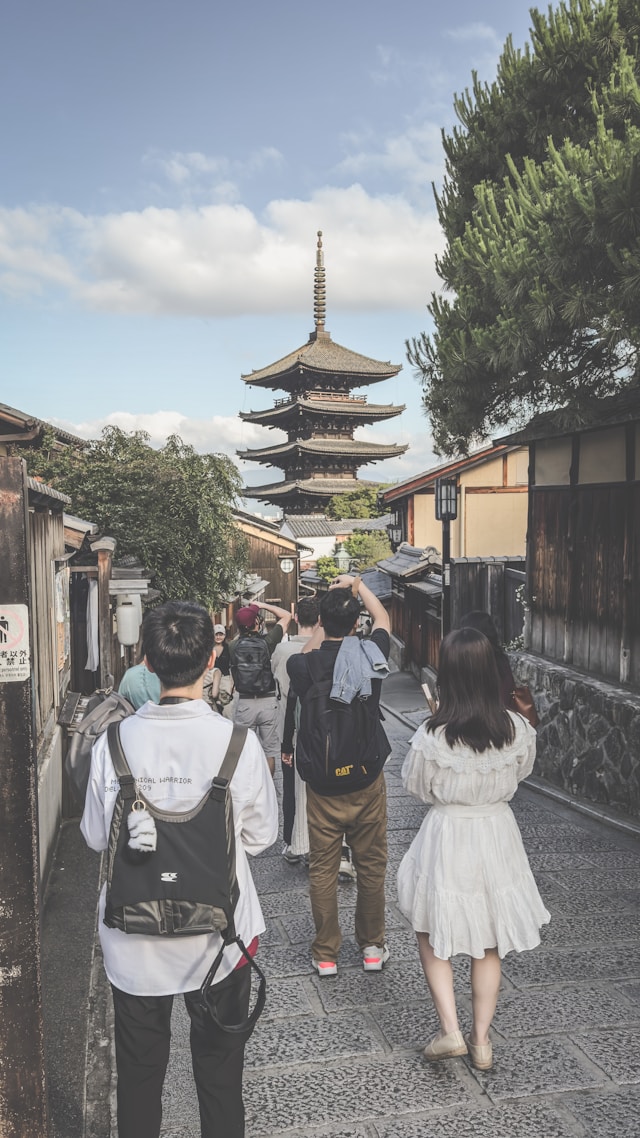
Planning a journey to Japan is an exciting process, filled with dreams of neon-lit cities, peaceful temples, mouthwatering cuisine, and unforgettable cultural encounters. Whether you’re preparing for your very first visit or returning to discover new regions, Japan offers a travel experience that is both deeply traditional and refreshingly modern. In this comprehensive guide, we will explore everything you need to know to create an enriching, stress-free, and memorable adventure across the country.
Before diving in, one thing is certain: thoughtful preparation matters. Japan is incredibly rewarding when you understand how to navigate its customs, transportation, seasons, and attractions. From packing the right items to choosing the perfect route, every small decision can significantly enhance your trip. With that in mind, let’s walk through the essentials that every traveler should know before setting foot in the Land of the Rising Sun.
Understanding Japan’s Unique Appeal
Japan’s charm lies in its contrasts. In bustling cities like Tokyo and Osaka, towering skyscrapers stand alongside centuries-old shrines. Bullet trains zoom past quiet mountain villages. Traditional tea ceremonies coexist with futuristic robot cafés. These contradictions give Japan its own identity—one that draws millions of visitors each year.
If your goal is to make the most out of your trip, you should begin with Japan travel tips that help you navigate the country’s culture, customs, and practical details. These insights will not only save you time and money but will also allow you to immerse yourself more deeply in the lifestyle and rhythm of Japanese society.
For many travelers, one of the most appealing aspects of visiting Japan is the diversity of experiences available. Whether you’re interested in Japan cultural experiences, outdoor adventures, culinary discoveries, or family-friendly attractions, the country has something for everyone.
Choosing the Best Time to Visit
Japan’s distinct seasons influence everything from scenery to activities and even transportation. Deciding when to travel depends on the type of experience you seek.
Spring (March to May) is world-famous for cherry blossoms. These delicate pink flowers create magical landscapes in parks, temples, and riverbanks. Travelers who value beauty and photography may find spring exceptionally rewarding. However, it’s also one of the busiest seasons.
Summer (June to August) brings lush greenery, vibrant festivals, and energetic city life. Although the weather is warm and humid, summer is ideal for those who enjoy outdoor activities, fireworks festivals, and adventurous explorations.
Autumn (September to November) offers crisp air and breathtaking fall foliage. Many consider this the most comfortable season for travel. The combination of pleasant weather and scenic landscapes makes it perfect for hiking and sightseeing.
Winter (December to February) transforms the country into a serene, snowy paradise—especially in regions like Hokkaido and the Japanese Alps. Those who wish to experience best time to visit Japan in terms of seasonal charm will appreciate the unique atmosphere that winter brings.
Planning Your Itinerary: How Long Should You Stay?
The length of your stay will influence your route, budget, and experiences. While Japan is a country you can explore for months, most travelers have limited time. For a well-balanced trip, many first-time visitors opt for a 7- to 12-day schedule. This timeframe allows you to explore Tokyo, Kyoto, Osaka, and one or two nearby towns without feeling rushed.
If you’re designing a structured itinerary, consider using Japan itinerary ideas that include a mix of major cities, cultural landmarks, nature spots, and food destinations. You’ll want to balance fast-paced urban days with peaceful escapes into rural Japan.
For example:
- Tokyo (3–4 days): Explore modern districts like Shibuya and Shinjuku, visit historic sites like Asakusa, enjoy themed cafés, and take a day trip to Nikko or Hakone.
- Kyoto (2–3 days): Discover ancient temples, bamboo forests, and traditional neighborhoods such as Gion.
- Osaka (1–2 days): Enjoy local street food, futuristic architecture, and a lively nightlife.
- Extras: Add destinations like Nara, Kobe, Hiroshima, or Hokkaido depending on your interests and schedule.
Navigating Japan’s Transportation System
Japan is renowned for having one of the world’s most efficient transportation networks. Trains are clean, punctual, and easy to use once you understand the basics.
The Shinkansen (bullet train) is especially useful for long-distance travel. It allows you to move quickly between regions, saving valuable time. Local trains and subways cover nearly every city and town, providing accessibility even in remote areas.
To simplify your trip, many travelers purchase IC cards such as Suica or Pasmo. These rechargeable cards can be used on trains, buses, vending machines, convenience stores, and more. They reduce the hassle of buying individual tickets each time you travel.
Experiencing Japan Through Food
No trip to Japan is complete without indulging in its incredible cuisine. From Michelin-star restaurants to casual street food stalls, Japan offers flavors that cater to every taste and budget.
Some must-try dishes include:
- Sushi and sashimi
- Ramen (regional varieties differ significantly)
- Tempura
- Okonomiyaki
- Takoyaki
- Udon and soba
- Traditional kaiseki meals
Japanese food is often created with seasonal ingredients, so what you eat varies depending on when you visit. Whether you’re exploring major cities or smaller towns, you will always encounter fresh, delicious, and beautifully prepared meals.
Cultural Etiquette and Respect
Japan places great emphasis on etiquette. Understanding basic cultural norms will help you travel respectfully and avoid common mistakes that tourists sometimes make. Simple gestures like bowing, removing shoes before entering certain buildings, and speaking softly in public spaces go a long way.
When visiting temples and shrines, follow posted signs and avoid standing in places reserved for worshippers. On public transportation, refrain from talking loudly or taking phone calls. Respecting these customs will make your interactions smoother and more pleasant.
Why Organized Tours Can Enhance Your Trip
While independent travel in Japan is certainly possible, many visitors appreciate the convenience of organized tours—especially when visiting multiple cities or remote regions. A professionally arranged experience allows you to focus on enjoying the moment rather than worrying about logistics, transportation, or language barriers.
If you’re looking for a reliable and seamless option for exploring the country, consider checking out ทัวร์ญี่ปุ่น for curated routes and guided experiences tailored to different types of travelers. This can be especially helpful for those traveling with family, seeking themed adventures, or wanting a deeper understanding of local culture.
Building a Memorable Journey
Japan is a destination that invites curiosity. Whether you’re walking through quiet temple gardens, watching city lights sparkle from an observation deck, or savoring a warm bowl of ramen on a rainy day, each moment feels special in its own way. Good planning enhances these experiences, allowing you to fully appreciate what the country has to offer.
To create a fulfilling adventure, remember these key ideas:
- Use Japan tour planning strategies that prioritize comfort and flexibility.
- Explore both popular attractions and lesser-known local spots.
- Respect cultural etiquette to build positive interactions.
- Embrace the contrasts—modern and traditional, fast and slow, urban and natural.
- Let yourself be surprised. Japan always has something unexpected to offer.
With thoughtful preparation and an open mind, you’ll return home with meaningful memories, new perspectives, and a deep appreciation for the beauty and richness of Japanese culture.
Leave a Reply